
Nutrition
What is proper nutrition?
Proper nutrition is a balanced diet based on diversifying food sources to provide the body with all the essential nutrients it needs to perform its vital functions efficiently. This includes eating adequate amounts of fruits and vegetables, whole grains, healthy proteins, and low-fat dairy products, while limiting saturated fats, added sugars, and salt.
Contrary to popular belief, proper nutrition does not mean depriving yourself of certain foods or focusing on a single food group. Rather, it is based on choosing foods wisely and consuming them in measured quantities according to health recommendations
Benefits of Proper Nutrition
- Proper nutrition promotes overall health and protects against many diseases. Its most prominent benefits include:
- Reducing the risk of chronic diseases, such as heart disease, type 2 diabetes, and some types of cancer.
- Strengthening the immune system and helping the body resist infection and inflammation.
- Contributing to longevity by supporting long-term health.
- Strengthening bones with age.
- Supporting muscle health.
- Improving digestion and helping the digestive system function efficiently.
- Helps achieve and maintain a healthy weight.
- Maintains healthy skin, teeth, and eyes.
- Supports a healthy pregnancy and provides the necessary nutrition for the mother and fetus.
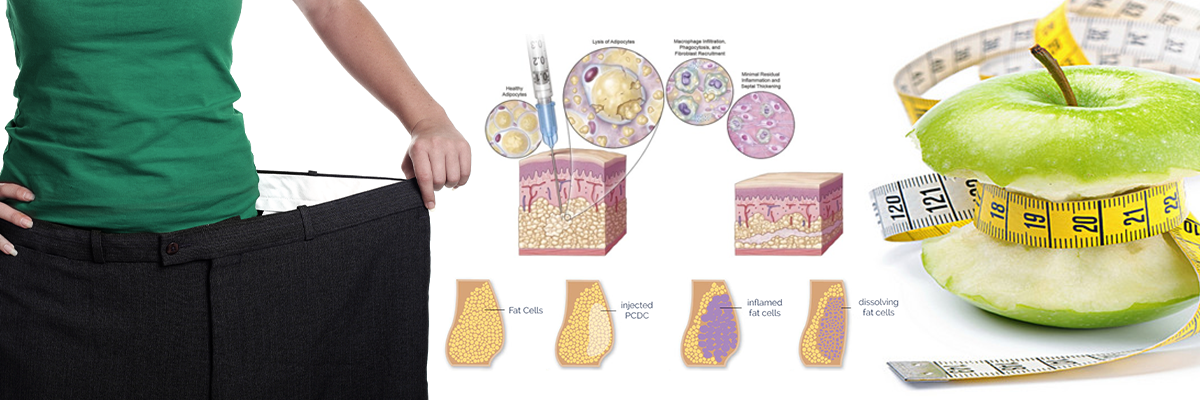
Principles of Proper Nutrition
Our bodies need a balance of proteins, fats, carbohydrates, fiber, vitamins, and minerals to maintain a healthy body and mind. The main principles of proper nutrition in general include:
Eat plenty of vegetables and fruits.
Vegetables and fruits are an essential part of a healthy diet. They are rich sources of vitamins, minerals, dietary fiber, plant protein, and antioxidants. People who eat a diet rich in these foods are generally less likely to develop obesity, heart disease, stroke, type 2 diabetes, and certain types of cancer.
Recommended Intake:
It is recommended to eat at least 5 servings of vegetables and fruits per day. However, potatoes do not count as part of these servings because they are classified as starchy foods.
One serving (80 grams) of fresh, canned, or frozen fruit is equivalent to:
- One apple.
- A banana.
- A handful of grapes.
- 3 tablespoons of corn.
- Half an avocado.
- A serving of dried fruit is only 30 grams, equivalent to:
- A heaped tablespoon of raisins.
- 3 dried apricots.
Fruit juices and natural drinks:
Limit your intake of fruit juices and smoothies to 150 ml per day, as they contain free sugars.
Choose whole grains
Whole grains are nutritious starches because they contain the entire grain in all its parts. This means they are rich in fiber, protein, and B vitamins, which help maintain health and keep you feeling full for longer. It is recommended to choose products made from them instead of refined grains found in white bread and white pasta.
The most famous examples of whole grains are:
- Whole wheat.
- Oats.
- Quinoa.
- Barley.
- Brown or wild rice.
- Bran.
It is recommended to allocate a quarter of the plate to carbohydrates at each meal, especially whole grains or potatoes with their skins on, and to choose products made from them, such as whole wheat pasta, barley bread, and others
Include Healthy Proteins
Protein is an essential component of a healthy body. It helps build bones and muscles and maintain healthy skin, so it is important to include it as a regular part of your daily diet.
Healthy protein sources include:
- Plant sources: legumes such as beans, lentils, and chickpeas, as well as nuts and seeds.
- Animal sources: eggs, skinless chicken, lean red meat, fish, and seafood.
- Other sources: tofu, fortified soy milk, and low-fat dairy products such as milk, yogurt, and low-fat cheese.
It is recommended to allocate a quarter of the plate to proteins at each meal to achieve nutritional balance. It is preferable to use plant proteins rather than animal proteins. It is also recommended to eat fish at least twice a week.

Limiting Saturated Fats
Fat is an important source of energy, but excessive consumption of it, especially harmful types such as saturated and trans fats, increases the risk of heart disease and stroke.
It is preferable to use healthy unsaturated fats, such as:
- Olive oil.
- Corn oil.
- Sunflower oil.
- Soybean oil.
- Avocado oil.
It is preferable to reduce animal fats or oils rich in saturated fats, such as:
- Butter.
- Ghee.
- Lamb or beef fat.
- Coconut oil.
- Palm oil.
In general, fats should not exceed 30% of total daily calories to avoid unhealthy weight gain and high cholesterol.
Avoid Processed Foods
Processed or processed foods are those that have been significantly altered from their natural state, with many ingredients added during the manufacturing process, such as sugar, salt, and unhealthy fats. This results in the loss of important nutrients such as vitamins, minerals, and fiber, making them less beneficial and more harmful to health.
Examples of processed foods include:
- Fast food.
- Hot dogs.
- Potato chips.
- Cookies and ready-made desserts.
- Frozen pizza.
- Cold cuts, mortadella, sausage, salami, and bacon.
- White bread and white rice.
However, not all processed foods are harmful. There are some foods that have undergone only light processing while retaining most of their nutritional value. Therefore, it is okay to eat these foods in moderation without overdoing it. Examples of these foods include:
- Ready-made salads (canned or washed).
- Frozen fruits and vegetables.
- Cheeses and dairy products.
- Some vegetable oils.
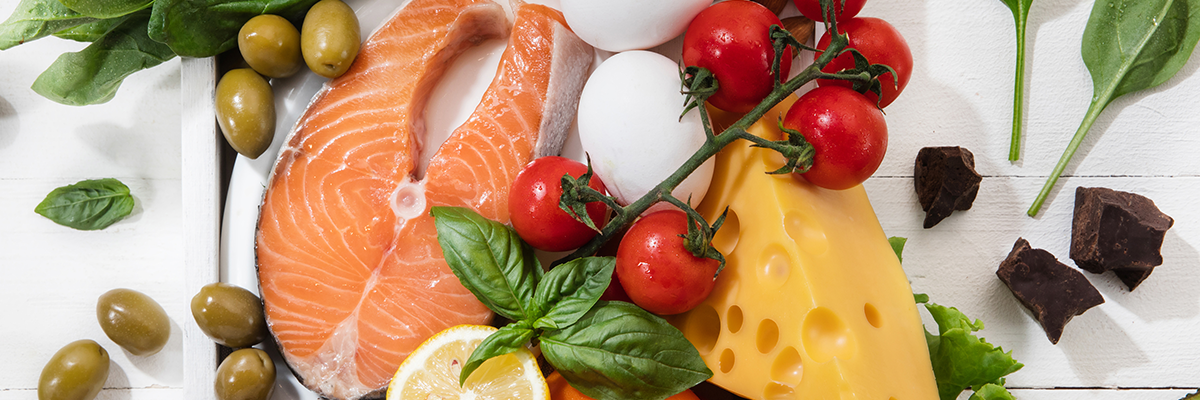
Reducing salt and sugar intake
Sugar intake should not exceed 10% of total daily calories, and limit salt intake to less than 5 grams per day.
Tips to help reduce sugar intake include:
Replacing sweets with fresh fruit.
Reading food labels and choosing products with little or no added sugar.
Drink water instead of juices and soft drinks, and add fruit slices or cucumber to it for a natural flavor.
Avoid adding sugar to coffee or tea.
Tips to help reduce salt intake include:
Use natural alternatives and flavors instead of salt, such as herbs, lemon, vinegar, or salt-free seasonings. Avoid eating packaged and processed foods high in sodium, and choose fresh foods instead.
Read food labels and choose low-sodium products.
Drink water regularly.
It is recommended to drink 6-8 glasses of fluids daily as part of a healthy eating plan. Water is usually the best choice, but you can also drink low-fat milk or hot beverages such as tea and coffee without added sugar.
Tips for Maintaining a Healthy Diet
These tips help achieve a balanced diet and proper nutrition:
- Read food labels and choose products that are lower in sodium, added sugar, and saturated and trans fats.
- Control portion sizes, as the amounts we eat, especially at restaurants, can be more than we need.
- Make sure to eat a healthy breakfast daily to maintain energy throughout the day.
- Eat small meals throughout the day to maintain stable energy levels.
- Cook and eat at home whenever possible, controlling ingredients and cooking methods.
- Eat healthy, balanced snacks, such as fruit with cheese or yogurt with granola.
- Avoid eating late at night, as some studies have linked it to weight gain.
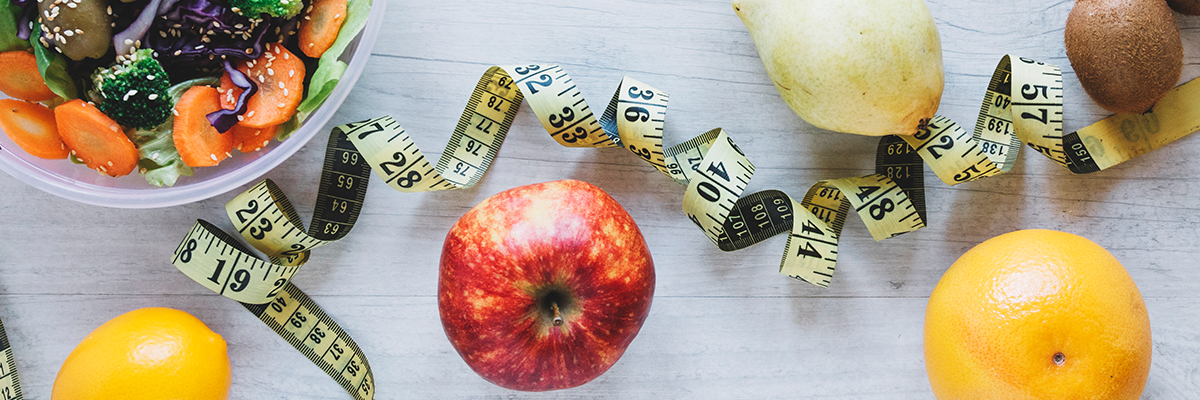
A healthy diet helps reduce the risk of chronic diseases, boosts the immune system, helps the body fight infection and inflammation, improves digestion, aids in efficient digestive system function, and helps achieve and maintain a healthy weight.
Our Services for Achieving a Suitable Weight and Shape
- Obesity and Thinness: By developing a suitable healthy diet and monitoring patients to achieve and maintain an ideal weight.
- Various Devices: Used to reduce size and break down fat in specific areas of the body, such as cryotherapy, cavitation, and cold laser.
- Mesotherapy Injections: Mesotherapy can be used to eliminate excess fat in specific areas of the body, such as the abdomen, thighs, and buttocks.
Body sculpting and contouring packages
- Dimond Pakage
- 5 Cryo Sessions
- 5 Cavitation Sessions
- 5 Cold Laser Sessions
- Mesotherapy Injections
- Golden Pakage
- 10 Cryo Sessions
- 10 Cavitation Sessions
- 10 Cold Laser Sessions