
Introduction
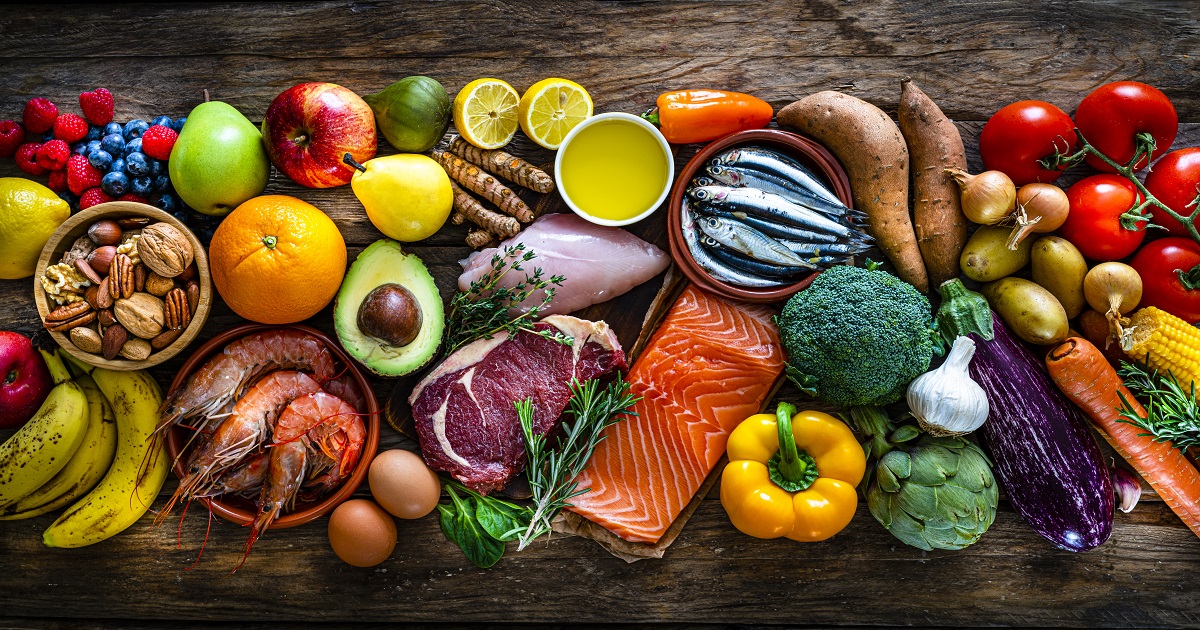
Nutrition is the science of how the body uses food to sustain life, promote health, and prevent disease. It involves the intake of nutrients—such as carbohydrates, proteins, fats, vitamins, minerals, and water—that are essential for growth, energy production, and overall well-being. Good nutrition is a cornerstone of a healthy lifestyle, influencing everything from physical performance to mental health.
The Importance of Good Nutrition
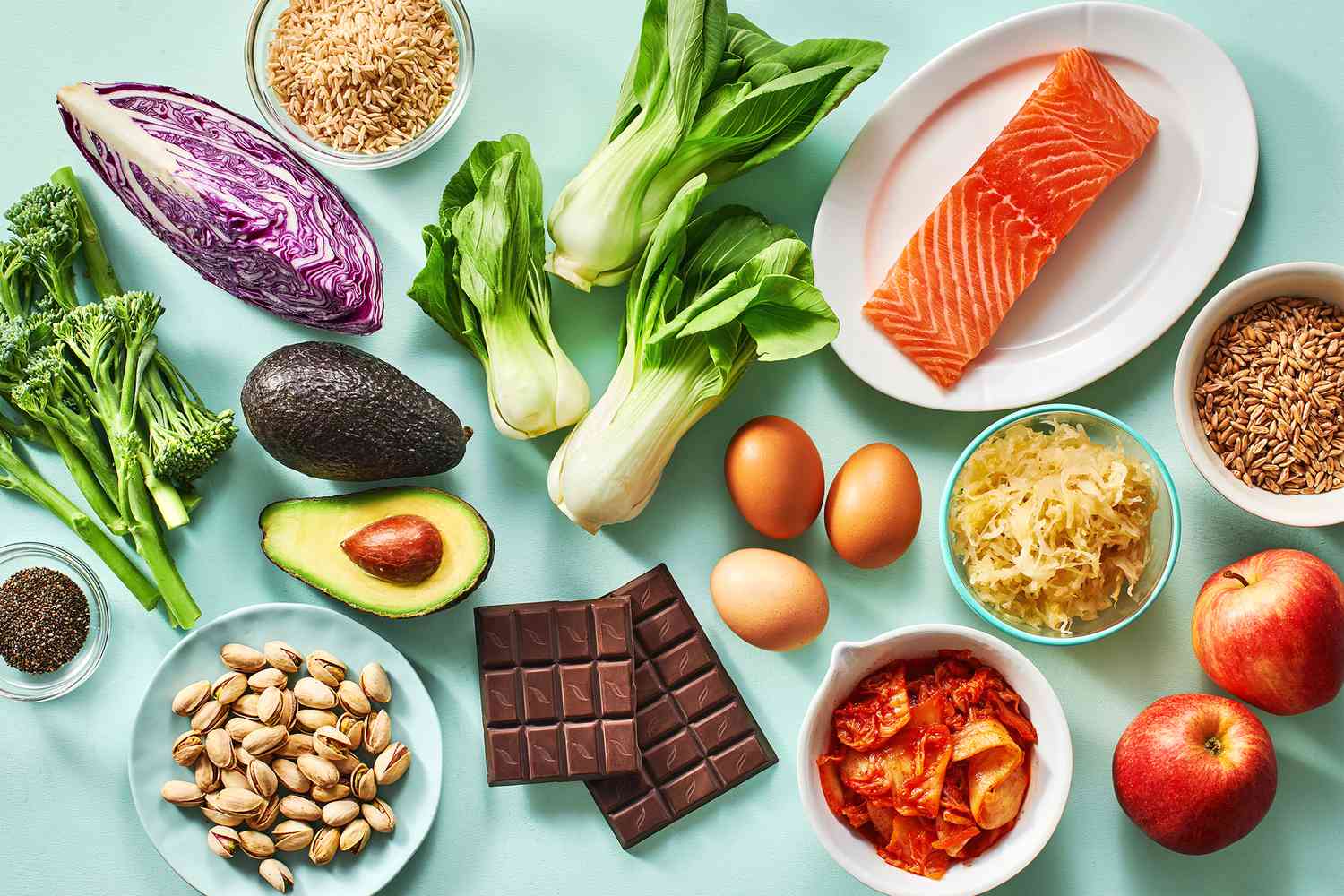
Proper nutrition plays a vital role in:
Maintaining healthy body weight by balancing calorie intake and energy expenditure.
Supporting immune function to fight off infections and illnesses.
Promoting growth and development in children and adolescents.
Reducing the risk of chronic diseases such as heart disease, diabetes, and certain cancers.
Enhancing mental health by providing nutrients that affect brain function.
Essential Nutrients and Their Functions
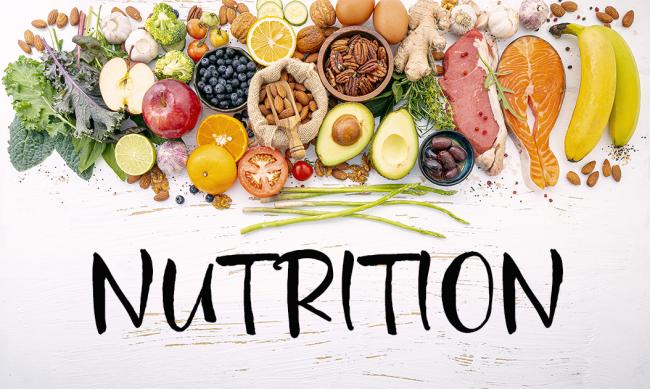
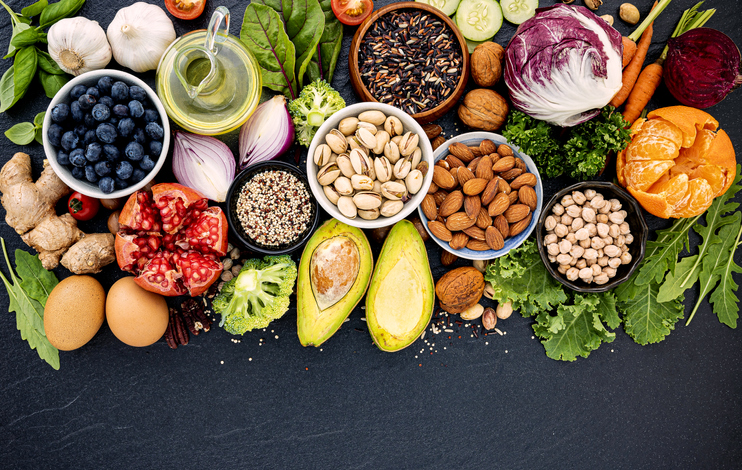
Carbohydrates: The body’s main source of energy. Found in whole grains, fruits, vegetables, and legumes.
Proteins: Essential for muscle repair, immune function, and hormone production. Sources include meat, fish, dairy, legumes, and nuts.
Fats: Necessary for cell structure, vitamin absorption, and hormone regulation. Healthy sources include olive oil, avocados, nuts, and fatty fish.
Vitamins and Minerals: Required for countless bodily processes, from bone strength (calcium, vitamin D) to red blood cell production (iron, vitamin B12).
Water: Vital for hydration, digestion, temperature regulation, and waste removal.
The Role of a Nutritionist
A nutritionist is a health professional who specializes in food and diet to promote health and manage diseases. Their role includes:
Creating personalized meal plans based on individual needs.
Providing education on healthy eating habits.
Supporting weight management and sports performance.
Helping patients manage medical conditions like diabetes, hypertension, and gastrointestinal disorders.
Tips for Healthy Eating
Choose whole, unprocessed foods whenever possible.
Eat a variety of fruits and vegetables daily.
Limit added sugars and refined grains.
Include lean proteins and healthy fats in your meals.
Stay hydrated by drinking enough water throughout the day.
Practice mindful eating—pay attention to hunger and fullness cues.
Conclusion
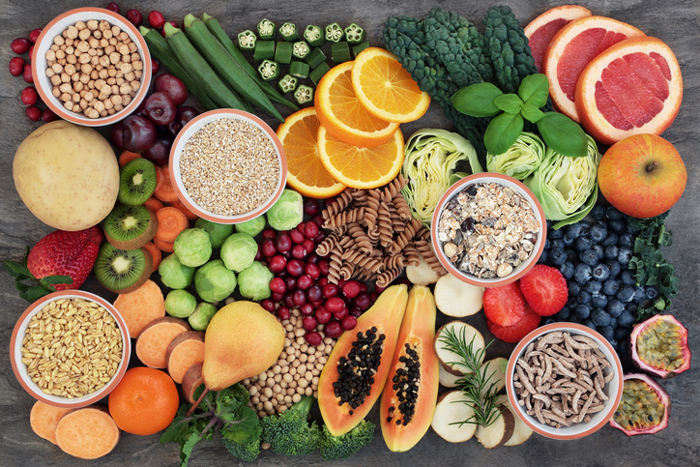
Good nutrition is more than just choosing healthy foods; it’s about creating a balanced lifestyle that supports long-term wellness. By making informed choices and seeking guidance from qualified nutrition professionals, individuals can enhance their health, prevent disease, and enjoy a better quality of life.