
Physical Therapy
What is physical therapy?
Physical therapy is a treatment that helps improve the body’s ability to perform physical movements. It can be part of an overall pain management plan or a specific treatment for an injury or health condition. It is also common to need physical therapy after many types of surgery. You may also need physical therapy to help prevent injuries before they occur.
Physical therapy is the restoration of movement and bodily function affected by injury, illness, or disability. Physical therapy relies on a variety of techniques and physical exercises, as well as specialized equipment, to improve strength, flexibility, and balance, reduce pain, and restore normal mobility.
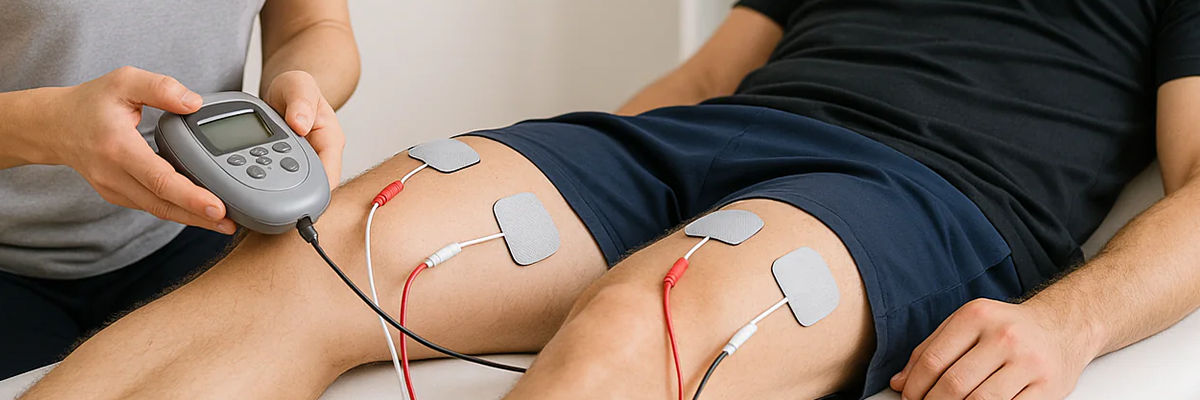
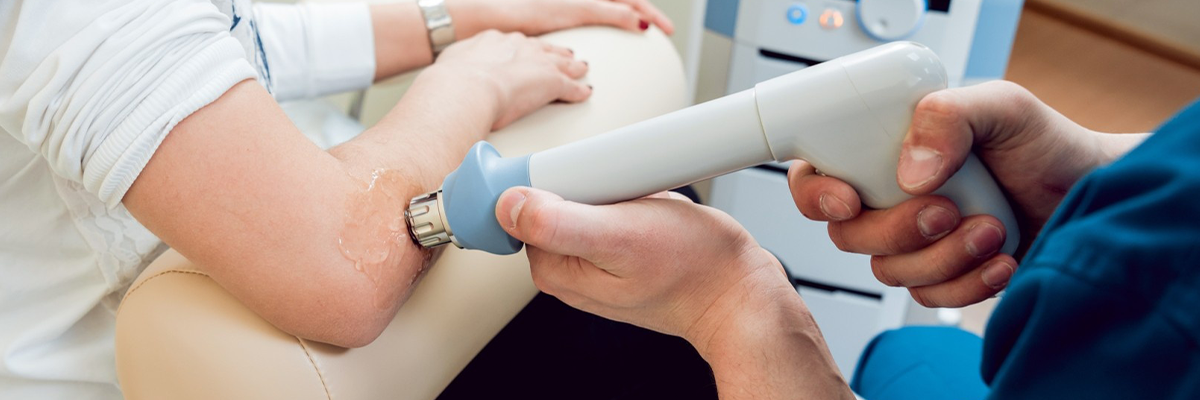
Ultrasound is used to relieve muscle spasms and electrical stimulation to stimulate muscles and relieve pain. Treatment plans are tailored to meet each patient’s individual needs, helping patients regain their ability to perform daily activities independently.
The length of time you need physical therapy depends on the type of injury or health condition you have and the area of your body that needs help improving movement. Some people need only a few weeks of physical therapy to treat a short-term problem, while others need months or years to manage the symptoms of a chronic (long-term) condition.
The Benefits of Physiotherapy
physiotherapy reveals its integral role in promoting recovery and enhancing quality of life. Through pain relief, improved mobility, or injury prevention, physiotherapy offers numerous advantages, making it an essential part of modern healthcare.

Pain Relief and Management
Pain relief is a significant benefit of physiotherapy treatment. It employs methods like manual therapy, deep tissue massage, and dry needling for effective pain management. Manual therapy involves hands-on techniques to manipulate and massage tissues, reducing pain and improving circulation and joint mobility.
Exercise therapy is prescribed for long-term pain management, involving specific movements to enhance strength and mobility. Additionally, electrical stimulation techniques, like TENS, use currents to alleviate pain and promote muscle function. These approaches ensure effective and sustained relief for individuals suffering from significant pain.
Improved Mobility and Physical Function
Physiotherapy significantly improves mobility and physical function, especially in individuals with neurological conditions. Targeted exercise and rehabilitation strategies enhance motor function and coordination, helping individuals with neurological disorders regain function.
Manual therapy relieves pain, improves mobility, and enhances physical function. Exercise therapy focuses on prescribed activities to enhance strength, flexibility, and overall capability. These interventions are essential for restoring movement and improving the quality of life for many patients.
Injury Prevention
Physiotherapy prevents further injury, especially in individuals with previous musculoskeletal injuries. It promotes healing, improves strength and stability, and reduces the risk of future injuries. This is crucial for athletes and individuals engaged in physical activities with a high risk of sports injuries.
Injury prevention is achieved through strength training, balance exercises, and education on proper body mechanics. Physiotherapists design personalised treatment plans that address each patient’s unique needs, ensuring they are well-equipped to avoid further injuries and maintain optimal health
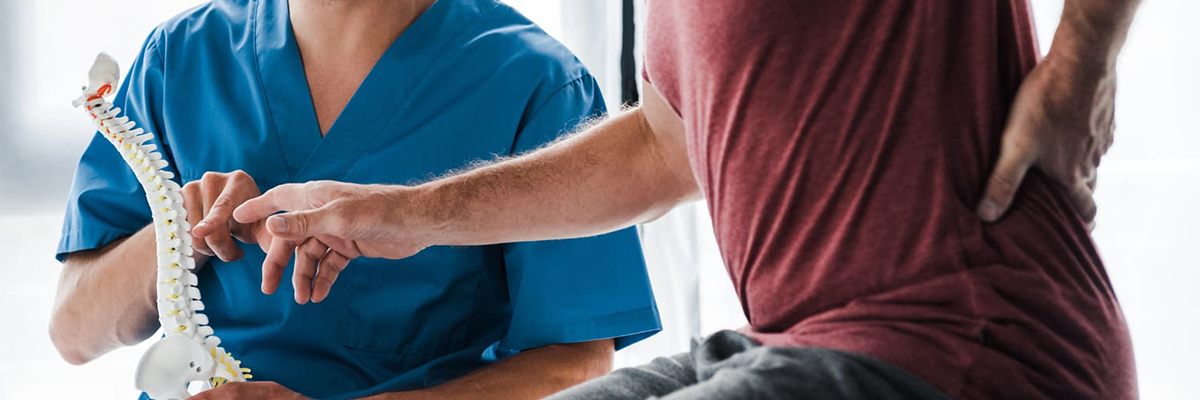
Reduce the need for Surgical Procedures
Physiotherapy reduces the need for surgical procedures by eliminating pain or facilitating healing. The early intervention addresses issues proactively, potentially preventing surgery. This approach saves patients from surgical risks and recovery time, promoting natural healing processes.
Using manual techniques and other modalities, physiotherapy effectively manages conditions that might otherwise require surgery. This holistic approach ensures comprehensive care, addressing the root causes of conditions and promoting long-term health and well-being.
Enhanced Strength and Balance
Physiotherapy enhances overall strength through tailored workout plans, massage, and joint mobilisation. Individualised exercise programs improve muscle and joint function effectively, designed to meet each patient’s specific needs and ensure optimal results in strength and balance improvement.
Improved strength and mobility from physiotherapy prevent falls and enhance stability, particularly for older adults and individuals with balance issues. Focusing on proper body mechanics and strength training, physiotherapy helps patients maintain independence and reduce the risk of injuries
Rehabilitation from Surgery or Injury
Physiotherapy is essential in rehabilitation following surgery or injury. It assists in recovery, manages pain, and enhances physical function.
Pre-surgery physiotherapy leads to faster post-surgery recovery, as patients are better prepared physically and mentally.
The rehabilitation process in physiotherapy can be divided into four stages:
- Recovery
- Repair
- Strength
- Function
Most patients experience significant improvements after approximately five sessions of physiotherapy. These sessions help restore function, reduce pain, and promote healing, ensuring a safe and quick return to normal activities
Cardiovascular Health
Physiotherapy includes tailored exercise programs focused on improving cardiovascular fitness and overall health. These programs enhance cardiovascular fitness and heart health by promoting circulation and strengthening the cardiovascular system. Customised exercise regimens in physiotherapy improve heart function.
Patients with cardiovascular issues greatly benefit from physiotherapy. By improving cardiovascular health, it reduces the risk of heart-related conditions and enhances overall well-being.
Pulmonary Rehabilitation
Physiotherapy significantly improves lung capacity and function, benefiting individuals with respiratory conditions. Through specialised exercises, it manages respiratory conditions by enhancing lung function and efficiency. This is crucial for conditions like cystic fibrosis, where adequate oxygen is vital.
Pulmonary rehabilitation through physiotherapy addresses the needs of individuals with respiratory conditions, ensuring necessary care to improve lung function and overall health. This approach includes decongestive therapy and exercises that promote lung capacity and efficiency.
Neurological Rehabilitation
Physiotherapy rehabilitates individuals with neurological conditions, managing symptoms and promoting recovery. Common neurological conditions treated include multiple sclerosis, cerebral palsy, and brain or nervous system injuries. These often require long-term care and specialised treatment plans to improve mobility and strength.
Physiotherapy interventions for neurological conditions include exercise therapy and balance training to enhance functional abilities. Effective neurological rehabilitation significantly enhances the quality of life, enabling greater independence and well-being.

Pelvic Floor Rehabilitation
Physiotherapy addresses pelvic floor dysfunctions, including incontinence and pelvic pain. Targeted techniques and specialised exercises significantly improve conditions like urinary or faecal incontinence and pelvic pain, using targeted exercises and education.
Pelvic floor physiotherapy enhances bladder control and alleviates pelvic pain through targeted muscle strengthening. These interventions are essential for improving overall pelvic health and quality of life.
Improved Mental Health
Physiotherapy sessions contribute to better mental health by promoting physical activity linked to reduced stress. Regular physiotherapy improves self-esteem and body image by enhancing physical capabilities and reducing discomfort, ensuring improved mental well-being.
Facilitating pain relief and enhancing functional abilities, physiotherapy improves overall quality of life. The positive impact on mental health helps patients feel more confident and capable in their daily lives.
Enhanced Quality of Life
Physiotherapy enhances mobility, promoting independence and increasing confidence, allowing individuals to enjoy various physical activities. By improving physical capabilities, it enables patients to participate in activities they love, enhancing their overall quality of life.
In addition to physical benefits, physiotherapy positively impacts mental health by improving emotional and mental well-being. This holistic approach ensures comprehensive lifestyle improvements, making physiotherapy invaluable in modern medicine.
Overall, physiotherapy enhances recovery, mobility, and overall health, leading to a better quality of life.
What does physical therapy treat?
Most people begin physical therapy after a healthcare provider diagnoses an injury or health condition. Examples include:
- Sports injuries
- Back pain
- Arthritis
- Stroke
- Cord stenosis
- Postoperative reconstruction
- Systemic diseases
- Knee pain
- Arthritis pain
- Carpal tunnel syndrome
- Tendonitis (including tendonitis)
- Rotator cuff tears
- Knee ligament injuries (such as cruciate ligament tears)
- Radical development of temporomandibular trauma
- Therapeutic and preventive cupping
You may need physical therapy to manage a chronic condition, including:
- Chronic obstructive pulmonary disease.
- Cerebral palsy.
- Multiple sclerosis.
- Muscular dystrophy.
- Parkinson’s disease.
- Cystic fibrosis.
Recovery and Expectations
It may not be easy (especially at first), but physical therapy is definitely worth it. You may feel tense, tired, or exhausted after a physical therapy session. These feelings are valid and normal. Your physical therapist will help you set realistic goals and expectations.
Your strength, flexibility, and mobility will improve over time. You may feel that physical therapy doesn’t help right away. But keep at it.